Botulax or Dermal Fillers? A Guide to Choosing the Right Anti-Aging Treatment

Botulax and dermal fillers are both injectable aesthetic treatments, but they solve different problems. Botulax is a botulinum toxin type A product that temporarily reduces selected muscle activity. Dermal fillers are gel-like implants that add or restore volume beneath the skin. The right choice depends on whether a concern is driven mainly by facial movement, volume loss, tissue structure, or a combination of factors.
Botulax vs. dermal fillers: the short answer
Choose the category based on the cause of the concern, not simply the location of the line. Expression-related lines often respond to a qualified practitioner's neuromodulator plan, while folds, contour changes, and age-related volume loss may call for an appropriately selected dermal filler.
Some patients may be assessed for both categories in a staged plan. They are not interchangeable, and using more product does not automatically create a better or safer result.
Botulax vs. dermal fillers comparison
The table below summarizes the practical difference between a botulinum toxin product such as Botulax and commonly used temporary dermal fillers, including hyaluronic acid fillers.
| Feature | Botulax (botulinum toxin type A) | Dermal fillers |
|---|---|---|
| Primary action | Temporarily reduces targeted muscle activity | Adds, shapes, or restores volume beneath the skin |
| Best-known use | Dynamic lines linked to expression | Static folds, contour concerns, and volume loss |
| Common facial areas | Frown lines, forehead lines, crow's feet | Lips, cheeks, chin, jawline, nasolabial folds |
| When change appears | Usually develops over several days | Volume change is often visible immediately |
| Typical duration | Often around 3–4 months | Often around 6–18 months, depending on material and area |
| Product category | Prescription injectable drug/neuromodulator | Injectable medical device or implant, depending on jurisdiction |
What is Botulax?
Botulax is a brand of botulinum toxin type A. It is sometimes discussed alongside Botox, but the two names should not be treated as interchangeable brand names. Botulinum toxin products have their own labeling, unit systems, approved indications, storage requirements, and regulatory status.
Botulinum toxin works by blocking nerve activity in selected muscles, temporarily reducing contraction. In aesthetic practice, that mechanism can soften the appearance of lines that become more visible when a person frowns, raises the eyebrows, smiles, or squints.
- Common concern: movement-related or dynamic facial lines
- Common assessment areas: glabella, forehead, and lateral eye area
- Result pattern: gradual rather than instant
- Important distinction: Botulax relaxes targeted muscle activity; it does not fill a hollow or add structural volume
What are dermal fillers?
Dermal fillers are gel-like substances injected beneath the skin to create a smoother or fuller appearance. Hyaluronic acid is a common temporary filler material. It is a sugar naturally present in body tissues and can bind water when formulated as a gel.
Depending on the specific product and its authorized use, fillers may be selected to soften certain facial folds, restore cheek volume, enhance lips, or support chin and jawline contour. Product rheology, placement depth, anatomy, and injector technique all influence the result.
- Common concern: volume loss, folds, contour, or shape
- Common assessment areas: lips, cheeks, chin, jawline, and nasolabial folds
- Result pattern: often visible immediately, with swelling affecting the early appearance
- Important distinction: filler adds volume; it does not reduce muscle contraction
Dynamic wrinkles vs. static wrinkles
Dynamic wrinkles become more noticeable during facial expression. Examples include frown lines between the eyebrows, horizontal forehead lines, and crow's feet that appear with smiling or squinting.
Static wrinkles remain visible when the face is at rest. They can reflect repeated movement, collagen and elasticity changes, sun exposure, tissue descent, or volume loss. Deep static lines are not automatically a filler indication; a qualified practitioner must assess the underlying cause and anatomy.
How quickly do results appear, and how long do they last?
Botulinum toxin effects generally begin to develop over several days, and a practitioner may wait longer before judging the final effect. Many aesthetic treatment plans are discussed in terms of roughly three to four months, but duration varies with the product, treatment area, dose, muscle strength, metabolism, and individual response.
Filler-related volume is often visible immediately, although bruising and swelling can temporarily change the appearance. Temporary filler longevity can range widely. Six to eighteen months is a useful general comparison range, but the actual duration depends on filler material, product characteristics, treatment area, amount used, and the patient.
Which treatment is right for your concern?
A simple at-home check can help frame the consultation: observe whether the line appears mainly during expression, remains at rest, or sits beside an area that has visibly lost volume. This is only a conversation starter, not a diagnosis or treatment plan.
- Lines mainly visible with movement: ask about a neuromodulator assessment
- Hollows, deflation, or contour concerns: ask about filler suitability
- Lines visible both in motion and at rest: ask whether a staged or combined approach is appropriate
- Texture, dehydration, or general skin quality: ask about skincare, energy-based treatments, or skin boosters rather than assuming filler is the answer
A PDRN skin booster is not a dermal filler
The LAPURON Aurora Super PDRN image included in this guide represents a different professional injectable category. PDRN skin boosters are marketed around skin-quality goals; they should not be described as dermal fillers unless a specific product is formally classified and labeled that way.
Keeping these categories separate helps clinics, professionals, and buyers compare products accurately: Botulax is a botulinum toxin product, dermal fillers are volume-adding implants, and PDRN products are skin boosters.
Risks and safety considerations
Both treatments are medical procedures. Botulinum toxin injections can cause localized pain, bruising, swelling, temporary facial weakness, eyelid or brow drooping, and other adverse effects. Rarely, toxin effects can spread beyond the injection site and cause serious symptoms.
Dermal filler risks include swelling, bruising, tenderness, infection, nodules, and allergic reactions. Accidental injection into a blood vessel is uncommon but can cause tissue death, visual impairment or blindness, and stroke. This is why product authenticity, licensed procurement, anatomy knowledge, sterile technique, and complication readiness matter.
Important: Seek urgent medical care after an injectable treatment for difficulty breathing or swallowing, sudden visual change, severe or increasing pain, skin blanching, or a net-like color change.
Questions to ask before treatment
- What product are you recommending, and is it authorized for this use in my country?
- Are you licensed and trained to perform this injection and manage complications?
- What result is realistic for my anatomy and concern?
- What are the common and serious risks for this exact treatment area?
- How do you verify product authenticity, batch details, and storage conditions?
- What aftercare and emergency contact process will I receive?
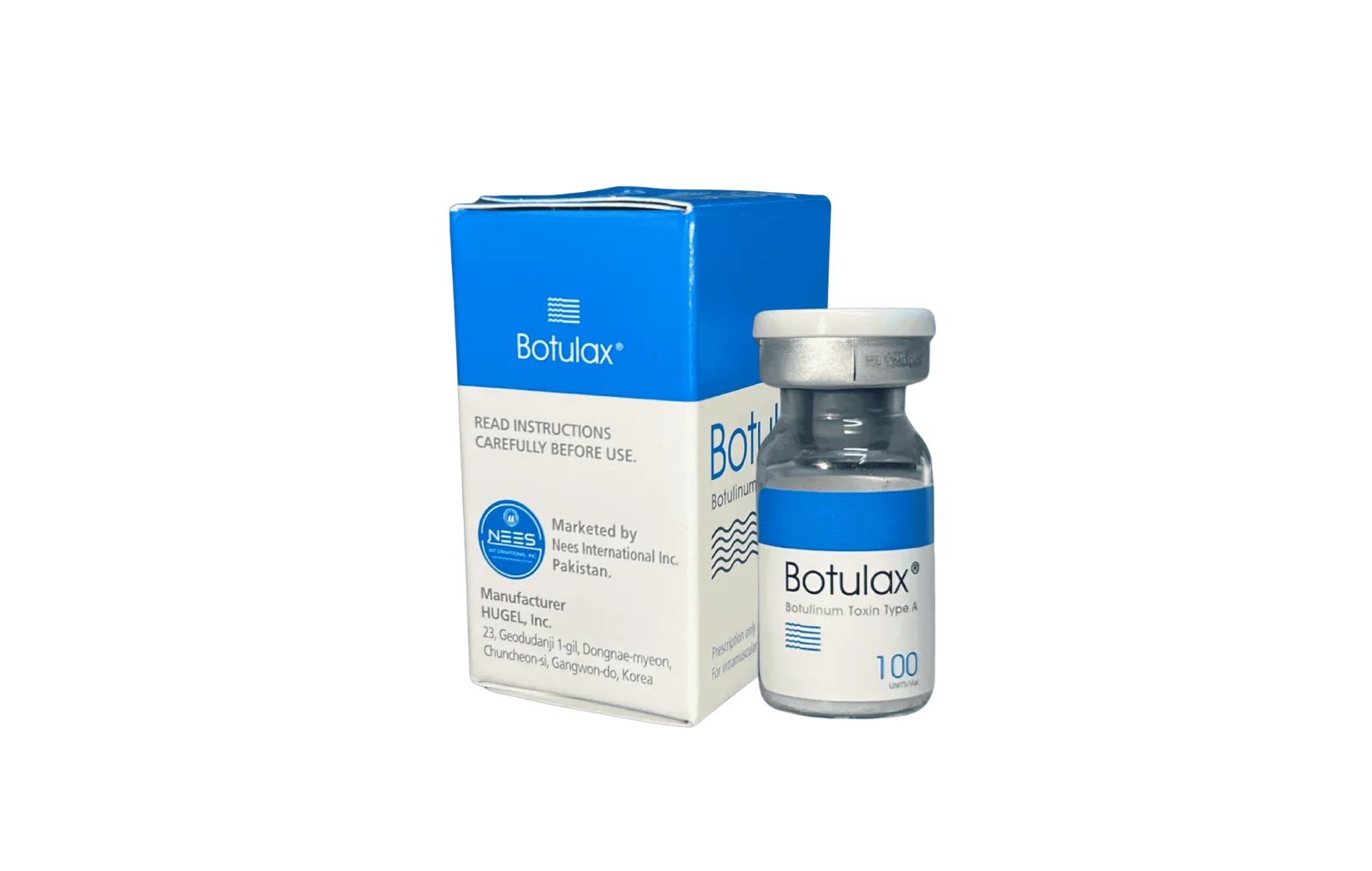 Botulax 100 Units is a professional-use botulinum toxin type A product. Brand authorization, approved indications, and availability vary by country.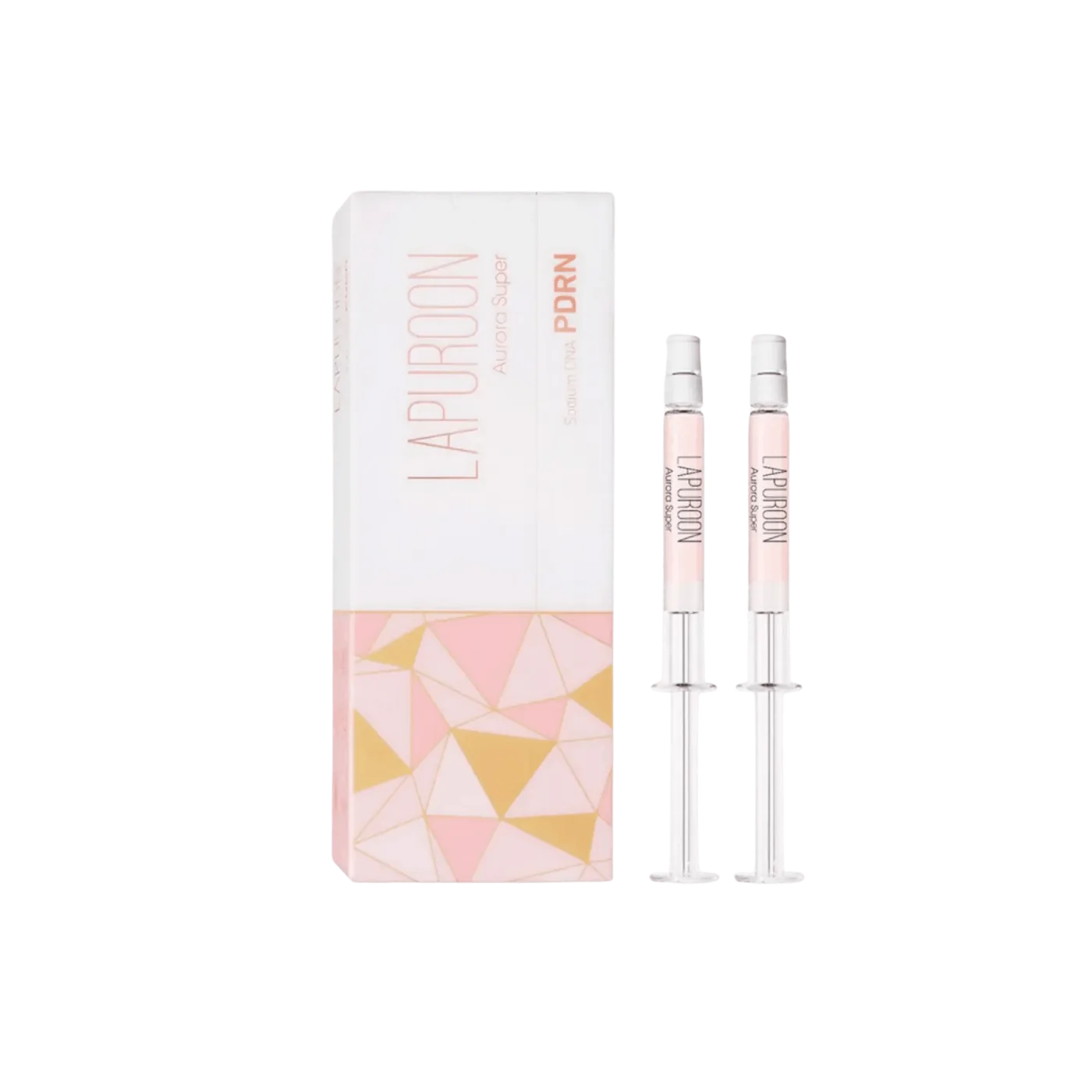
Botulax changes muscle activity; dermal filler changes volume. The best plan starts by identifying which of those factors is creating the concern.
NEES Medical Editorial
Frequently Asked Questions
Is Botulax a dermal filler?
No. Botulax is a botulinum toxin type A product that temporarily reduces targeted muscle activity. Dermal fillers add or restore volume beneath the skin.
Is Botulax the same as Botox?
No. They are separate brands of botulinum toxin type A. Botulinum toxin brands can differ in labeling, units, formulation, approved uses, and regulatory status, so their names and dose units should not be used interchangeably.
Which is better for forehead lines: Botulax or filler?
Forehead lines are often strongly influenced by muscle movement, so a qualified practitioner may assess suitability for a botulinum toxin product. Filler is not automatically appropriate for forehead lines and carries area-specific vascular risks.
Which is better for lips: Botulax or dermal filler?
Dermal fillers are the category commonly used to add lip volume or refine lip shape. Botulinum toxin does not add volume, although a practitioner may use a neuromodulator for a different lip-related objective after assessment.
Can Botulax and dermal fillers be used together?
A qualified licensed practitioner may recommend both in a coordinated treatment plan when muscle activity and volume loss contribute to different concerns. Suitability, timing, and product selection require an individual assessment.
How long do Botulax and dermal filler results last?
Botulinum toxin results are often discussed as lasting about three to four months. Temporary filler results may last roughly six to eighteen months. Both ranges vary by product, area, dose or volume, technique, and patient factors.
Are dermal fillers reversible?
Some hyaluronic acid fillers can be dissolved with hyaluronidase, but reversal is itself a medical procedure and may not restore the exact pre-treatment appearance. Other filler materials are not dissolved in the same way.
Is LAPURON Aurora Super PDRN a dermal filler?
No. LAPURON Aurora Super PDRN is positioned as a PDRN skin booster. It should not be confused with a volume-adding hyaluronic acid dermal filler.
Medical References
For clinics and licensed professionals sourcing Botulax 100 Units or comparing professional injectable categories in Pakistan, NEES Medical provides inquiry-led product information. Product supply is not a substitute for patient assessment, local authorization checks, clinical training, or prescribing responsibility.

About NEES Medical

Latest Posts